Fast • Mobile-friendly • Bangla/English
District logo
Tiptop
Division
Tiptop
Connect
Buy & Sell
Sign inJoin/Signup
District logoTiptop
ConnectBuy & Sell
InstitutesExplore placesJobPrivate Tution
Citizen UpdateLIVENews UpdateVideo News
Sign inJoin/Signup
  1. Home
  2. Explore places
Loading...

Loading...

Tiptop Division

Places, people, info, job & marketplace of your district

Quick Links

  • About Us
  • Contact Us
  • Technical Stack
  • Services

Legal

  • Privacy Policy
  • Terms Of Service
  • Disclaimer

© 2026 Tiptop Division. All Rights Reserved

♥Built For People of your Division

Rupnagar
Dhaka

Rupnagar

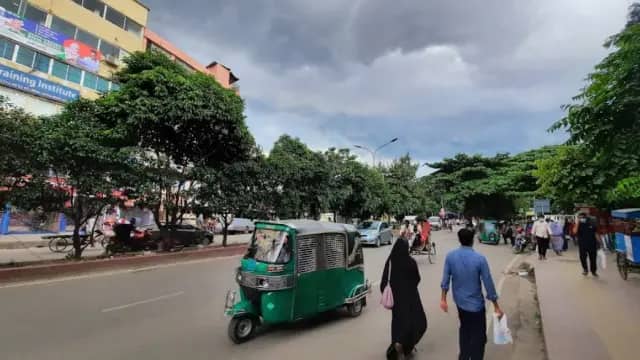
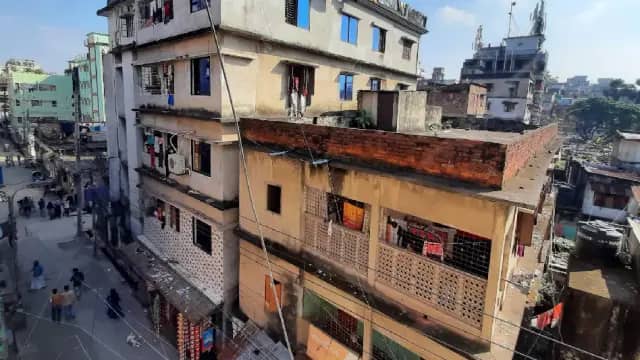
Rupnagar, located in the northwest of Dhaka, is like a rapidly growing concrete jungle, primarily known as a part of greater Mirpur. Being geographically close to the Turag River, this area has not only drifted with the tide of urbanization but has also gained a special vibrancy from the surrounding water bodies and open skies. To the locals, it is well-known as 'New Mirpur' or an extended part of Mirpur. Touched by planned residential development, rows of buildings have emerged here, telling the story of its transformation from a once-secluded landscape into today's bustling township. At the heart of Rupnagar lies the Rupnagar Residential Area, known for its orderly environment. The Rupnagar market is quite popular for meeting the daily needs of the residents, offering everything from fresh vegetables to household essentials. For recreation, the nearby National Botanical Garden and the zoo serve as a green sanctuary for the people of this area. In terms of cultural and intellectual pursuits, the renowned poet and litterateur Nirmalendu Goon once practiced his art in the quiet abode of this area, which has given Rupnagar a unique literary prestige. Although mechanical urbanization and increasing traffic congestion have somewhat obscured its familiar tranquil appearance, Rupnagar remains a bright and significant modern urban township in Dhaka today.
00
Islambag
Dhaka

Islambag

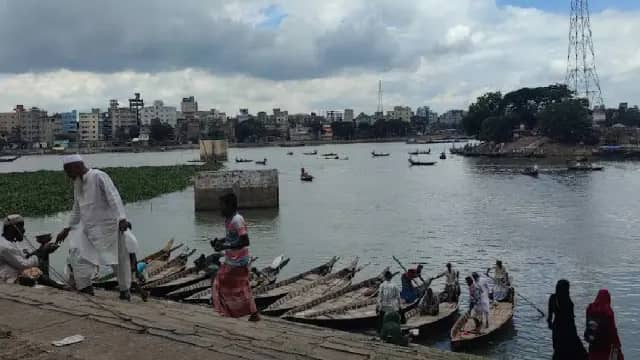
Islambag is a highly densely populated and commercial area under the Lalbagh police station of Dhaka, which has developed primarily along the banks of the Buriganga River. It is known as one of the most important industrial hubs of Old Dhaka, and the area is acclaimed nationwide, especially for leather goods, plastic products, and various types of cottage industries. Geographically, since Islambag is situated along the Buriganga, the transportation of goods and trade via waterways have historically flourished here. Although the alleys of the area are narrow and the population density is extremely high, its vibrancy is always at its peak. One of the main features of the area is its vast wholesale market, where plastic and leather products are traded wholesale. Among the notable structures here are local mosques and religious educational institutions, which are located at the heart of the settlement. In the past, Islambag had a significant presence of leather processing factories or tanneries, but due to environmental concerns and government decisions, most of the tanneries were later relocated to Savar. Currently, this place survives as a busy commercial hub consisting mainly of small and large factories and warehouses. The area carries a unique blend of the traditional culture of Old Dhaka and modern commercial life.

00
Gendaria
Dhaka

Gendaria

The Gendaria area, nestled along the banks of the Buriganga River at the southern edge of Old Dhaka, is like a living document of history. Once an aristocratic settlement, it still retains its individuality through the grandeur of its bygone days and a labyrinth of narrow alleys. During the British era, it was one of Dhaka's most planned and modern residential areas, which still tells stories of the past through its exquisite architectural style and old buildings. Due to its geographical location, the transportation system here is convenient, and its alleys are steeped in centuries of tradition. Dhupkhola Math, known as the heart of Gendaria, is not just a playground but a hub for local gatherings and cultural activities. The name Gendaria is associated with the historic 'Gendaria High School' and the famous 'Shree Shree Sadhana Oushadhalaya,' a unique institution for Ayurvedic medicine. The area was once famous for its delicious sugarcane, which, according to popular belief, is the origin of the name 'Gendaria.' Renowned novelist Humayun Ahmed spent a significant part of his childhood in this area, which has been reflected in his writings in various ways. In recent times, Gendaria has taken on a new look with modern civic amenities while maintaining its old traditions. The development project of Dhupkhola Math and the demand for preserving the old architecture here have always been topics of discussion among the locals. This busy area remains one of Dhaka's most attractive and important settlements, still holding onto its own rhythm and aristocracy.

00
Panthapath
Dhaka

Panthapath

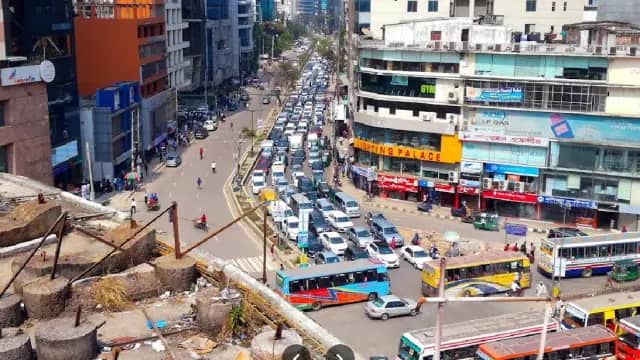
Panthapath is one of the busiest and most important commercial and residential areas in Dhaka, primarily located at the junction of Dhanmondi and Karwan Bazar. Geographically, it falls under the Dhaka South City Corporation and is known as the heart of the city. The area is recognized for its wide roads and modern high-rise buildings, which house numerous private hospitals, diagnostic centers, shopping malls, and corporate offices. Among the notable landmarks in Panthapath is the 'Bashundhara City Shopping Complex,' which is recognized as one of the largest shopping malls in South Asia. Additionally, the presence of major healthcare centers like Square Hospital and Samorita Hospital has made the area a primary hub for medical services. The Panthapath area is primarily known for its urban bustle and modern lifestyle. Although it lacks historical tourist sites, it serves as a vital transit point in Dhaka's transportation network. The main road of this area is known as Panthapath Road, which eventually became permanently known as 'Panthapath.' Locally, many also consider it an extension of Karwan Bazar or Dhanmondi. Today, the area is considered one of the most vibrant neighborhoods in Dhaka, characterized by its modern cafes, restaurants, and the constant movement of busy professionals.

00
Nannar Union
Dhamrai, Dhaka

Nannar Union

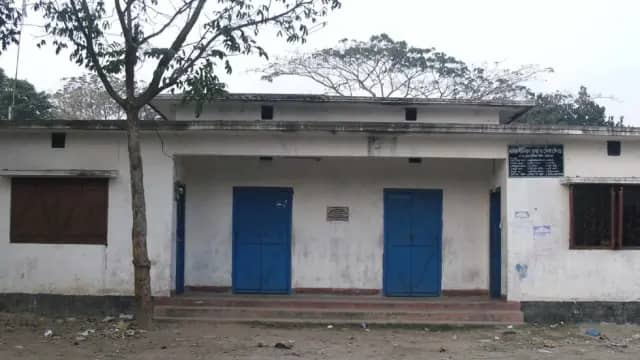
Nannar Union is an important administrative region of Dhamrai Upazila in Dhaka District. This flat and agriculture-dominated region is known for its natural environment and rural heritage. Like other unions of Dhamrai Upazila, the life of the people in Nannar Union is primarily agriculture-based, with the cultivation of paddy and winter crops being the main occupation. The communication system here is reasonably well-developed, connecting it with Dhamrai Sadar and surrounding areas, which plays a significant role in the daily commute of locals and the transportation of goods. Notable establishments in this union include the local markets, which serve as the hub for shopping and social interaction for the people of the area. Nannar has some traditional mosques and educational institutions that are contributing to the promotion of local culture and education. Although the area is not heavily tourism-oriented, its serene rural environment and crop fields are soothing for travelers. In recent times, new initiatives in the development of modern communication infrastructure and the expansion of education have been observed in this region, which are helping to change the overall socio-economic condition of the union. Several well-known personalities and social workers at the local level have been playing an important role in the development of this region, working tirelessly to build Nannar into a prosperous community.

00
Shyamoli
Dhaka

Shyamoli

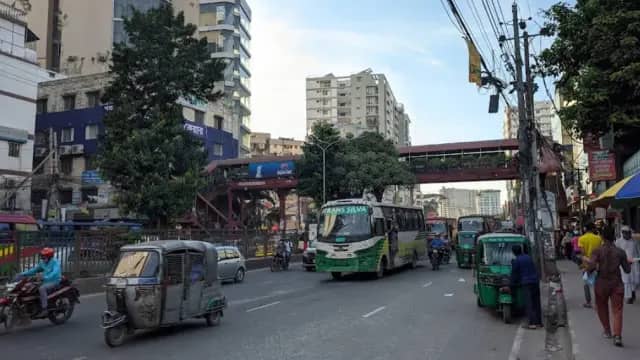
Shyamoli, known as the gateway to Mirpur in the heart of Dhaka, is a locality defined by its familiar bustle. Geographically situated at the junction of Adabor and Mirpur police stations, it stands as a significant witness to the historical residential and commercial expansion of Dhaka city. Once known for its quiet and shaded environment, it has now transformed into a densely populated hub of high-rise buildings, shopping malls, and numerous educational institutions. The Shyamoli Cinema Hall, which was once a focal point of Dhaka's entertainment scene, still stands today as a symbol of the area's heritage. Additionally, Shyamoli Park for children and teenagers, along with the green shade of the nearby Dhaka Udyan or Chandrima Udyan, provides a breath of relief amidst this concrete jungle. In terms of local importance, Shyamoli is now one of the major communication hubs of North and West Dhaka. Known for specialized medical services, the 'Shyamoli 250-Bed TB Hospital' and various private clinics have turned this area into a major center for healthcare. Furthermore, modern shopping malls like Shyamoli Square have brought a vibrant energy to the local shopping scene. Recently, thanks to the metro rail project, this area on Mirpur Road has experienced a new momentum in connectivity, reducing the suffering caused by traffic congestion. Although the area has primarily developed as a residence for the middle and upper-middle class, its alleys are infused with a unique blend of Dhaka's eternal busyness and modern urban life.

00
Malibagh
Dhaka

Malibagh

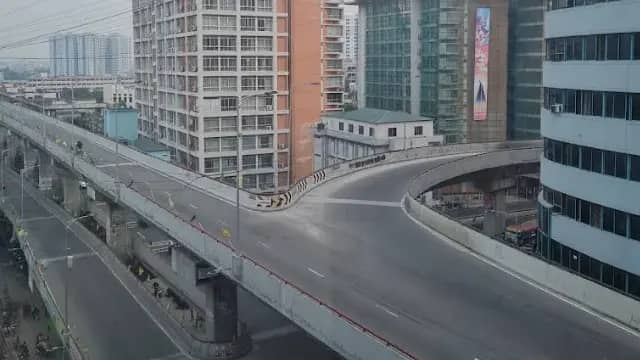
Malibagh is one of the oldest and busiest localities in Dhaka, which is primarily an important area under the Dhaka South City Corporation. Geographically, it is situated between Rampura, Mouchak, Khilgaon, and Rajarbagh. The area is known as a mixed residential and commercial zone. Since the British colonial period, this region began to develop as one of the city's residential areas. Currently, Malibagh is known for its strategic location, as it is easy to commute to any part of the city from here. It is popularly believed that the area was once known for its gardens or settlements of gardeners (malis), from which it derives its name. One of the main attractions of Malibagh is the 'Mouchak-Malibagh Flyover,' which has brought about a radical change in the area's transportation system. The area houses several renowned educational institutions, private hospitals, and shopping malls, which keep it vibrant. The Malibagh Chowdhurypara intersection and the Malibagh Bazar area are the main hubs for shopping and socializing for the locals. Although the area once had numerous garden houses and open spaces, it has now transformed into a densely populated locality. A significant portion of the lives of the famous poet and lyricist Khan Ataur Rahman and the renowned novelist Humayun Ahmed was spent in Malibagh and its surrounding areas, which has also enriched this place in terms of cultural heritage. Recently, with the Malibagh area coming under the Dhaka Metro Rail (MRT Line-1) project, it is emerging as one of the city's most important future transit points.

00
Gulshan-1
Dhaka

Gulshan-1

Gulshan-1 is one of the most elite and planned residential-commercial areas in Dhaka, primarily known as the diplomatic enclave. Geographically, it is located under the Dhaka North City Corporation and is adjacent to Banani, Mohakhali, and Gulshan-2. Although it was once purely a residential area, it has evolved over time into a major commercial hub of the city. The Gulshan Lake plays a significant role in maintaining the natural beauty and environmental balance of the area. The neighborhood hosts numerous multinational companies, embassies, luxury restaurants, and modern shopping malls, transforming it into one of the busiest and most vibrant places in Dhaka. Among the notable landmarks of Gulshan-1 is the Gulshan DCC Market, which is extremely popular for shopping. Additionally, the parks located along the banks of Gulshan Lake are favorite spots for people to spend their afternoons. In recent times, infrastructural modernization and road beautification projects have become widely visible in the Gulshan area. Although the area is not known by any specific pseudonym, it is referred to by many as the 'Diplomatic Zone' or the 'DIT Project'. Many prominent businessmen, industrialists, and high-ranking government officials of Bangladesh reside in this area. Once, the area was vibrant with the presence of the renowned journalist and columnist, the late ABM Musa, and many distinguished political figures. Today, it stands as a unique symbol of modern urban life in Dhaka.

00
Gulshan
Dhaka

Gulshan

Gulshan, located in the heart of Dhaka, is a highly well-planned, modern, and elite residential and commercial area. Although it began its journey as a residential area in 1961, it is now known as one of Dhaka's primary diplomatic and business hubs. Geographically, it is situated near the Banani, Mohakhali, and Baridhara areas, with the Gulshan Lake flowing alongside it, playing a vital role in maintaining the area's natural beauty and environmental balance. Gulshan is often referred to as the 'Diplomatic Zone' of Dhaka, as the embassies of most countries and the offices of many international organizations are located here. The area is well-known across the country for its luxury restaurants, modern shopping malls, elite hotels, and aesthetic architecture. The famous 'Gulshan Society Lake Park' and various cafes and art galleries are popular destinations for city dwellers to spend their leisure time. In recent times, various infrastructural developments and digital security measures have been strengthened with the aim of transforming Gulshan into a smart city. Furthermore, many prominent figures, business people, and intellectuals of Bangladesh reside in this area. Along with its modern lifestyle, Gulshan's well-organized roads and greenery distinguish it from other parts of Dhaka, giving it the atmosphere of an international-standard city.

00

189 results · page 1 of 21

…